
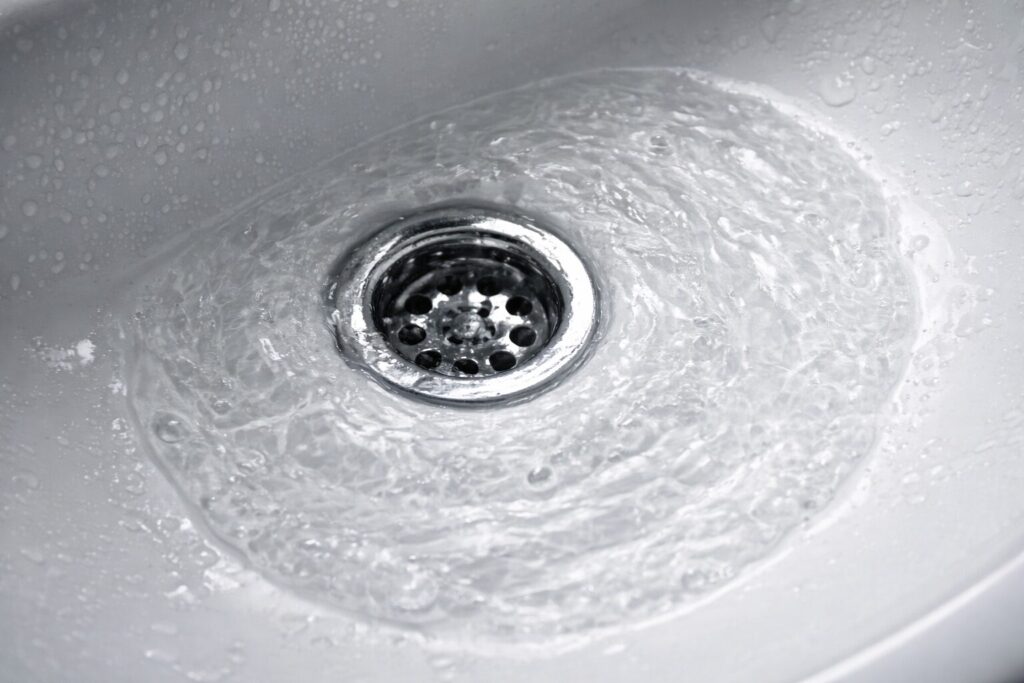
You notice it in the shower first. Water pooling around your feet, draining just a little slower than it used to. It’s easy to ignore — it’s not a crisis, it’s barely an inconvenience. But a slow drain is rarely just a slow drain. It’s usually the first visible sign of a problem that’s been developing for a while, and one that tends to get significantly more expensive the longer it’s left alone.
Here’s what’s actually happening — and what’s at stake.
Why Drains Slow Down
Slow drains have a short list of causes, and almost none of them resolve on their own:
- Buildup inside the pipe. Soap scum, hair, grease, and mineral deposits accumulate on pipe walls over time, narrowing the passage. Water slows. More buildup sticks. The problem compounds.
- A partial clog forming deeper in the line. What feels like a minor slow drain at the fixture may reflect an obstruction several feet down the line — out of reach of a basic drain snake.
- Early-stage root intrusion. In older homes especially, tree roots seek out moisture and can infiltrate sewer lines through small cracks or joints. A slow drain can be one of the first signs.
- Venting issues. Plumbing systems rely on air vents to allow water to flow freely. A blocked or improperly functioning vent creates negative pressure that slows drainage throughout the home.
What Happens When You Wait
A slow drain doesn’t stay a slow drain. Left untreated, the underlying cause continues to develop:
- Partial clogs become full blockages. A drain that was slow becomes a drain that doesn’t work at all — often at the worst possible moment.
- Buildup that could have been cleared with a professional cleaning hardens or worsens, requiring more aggressive intervention.
- Root intrusion that’s caught early can sometimes be cleared and sealed. Caught late, it may mean a damaged or collapsed line and significant excavation.
- Standing water from a backed-up drain creates conditions for mold growth and water damage — costs that extend well beyond a plumbing repair.
The pattern is consistent: the longer the delay, the more expensive the fix.
When a Plunger Isn’t Enough
Most homeowners try a plunger or a store-bought drain cleaner first. These have their place, but they have real limits. Chemical drain cleaners can be corrosive to older pipes and rarely address the root cause — they may clear the immediate blockage while leaving the underlying buildup intact. A plunger can dislodge a surface clog but won’t reach a deeper obstruction or diagnose a venting problem.
If a drain is still slow after basic home remedies, or if you’re noticing slow drains at multiple fixtures simultaneously, it’s time for a professional assessment. Multiple slow drains at once often point to a main line issue rather than individual fixture clogs — and that’s a different repair conversation entirely.
What a Professional Inspection Looks Like
A plumber can snake the line to clear mechanical blockages, hydro-jet to remove buildup from pipe walls, and run a camera inspection to see exactly what’s happening inside the line. Camera inspection in particular takes the guesswork out of diagnosis — you know whether you’re dealing with buildup, a damaged pipe section, or root intrusion, and you can make an informed decision about next steps.
Most drain issues, caught at the slow drain stage, are straightforward and affordable to resolve. The same issues caught at the emergency stage are not.
The Bottom Line
A slow drain is your plumbing system asking for attention. It doesn’t feel urgent — and that’s exactly why it tends to get ignored until it becomes urgent. A simple professional cleaning now is almost always cheaper, less disruptive, and less stressful than the repair it prevents.
If you’ve got a drain that’s been slower than it should be, Absolute Comfort’s plumbing team serves Central Indiana homeowners with honest diagnosis and straightforward repairs. Don’t wait for the backup to call us.